Cranial Osteopathy Hackney, East London.
Yourbodyknows
thewayhome
Bodies can be a pain. I offer a safe space where you can begin to access a deeper state of rest.
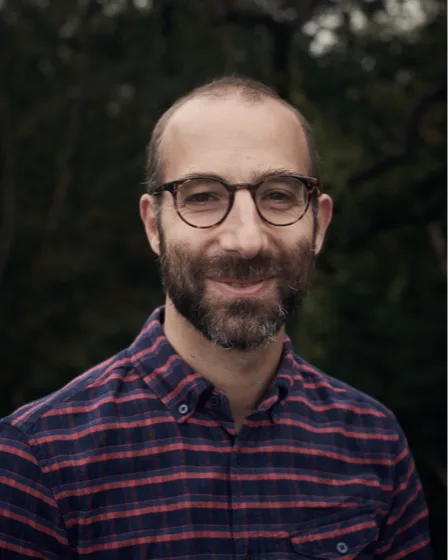
I'm an experienced cranial osteopath with specialist training and over twenty years in practice. I'm a faculty member at the Sutherland Cranial College of Osteopathy and I have been practising in London since 2004.
- 20+ years in practice
- SCCO Cranial educator
- 9yrs Biodynamics of Osteopathy training
- MSc Paediatric Osteopathy
What does cranial osteopathy involve?
Cranial osteopathy is a profoundly relaxing way to reconnect with your body's innate capacity for health. Here's what I offer:
-
Expert insight
I will look beyond your symptoms to see the bigger picture and dig deeper to find the root of the problem. -
Personalised care
I will listen to your story to understand what's really important to you and work with you to figure out what you need. -
The human touch
I will help you rediscover that state of deep rest where you remember how it feels to be at home and at ease.
Ben is an exceptionally skilful and caring osteopath and I highly recommend him.
What can cranial osteopathy help with?
Cranial osteopathy is a holistic, person-centred approach that focuses on promoting health rather than treating conditions.
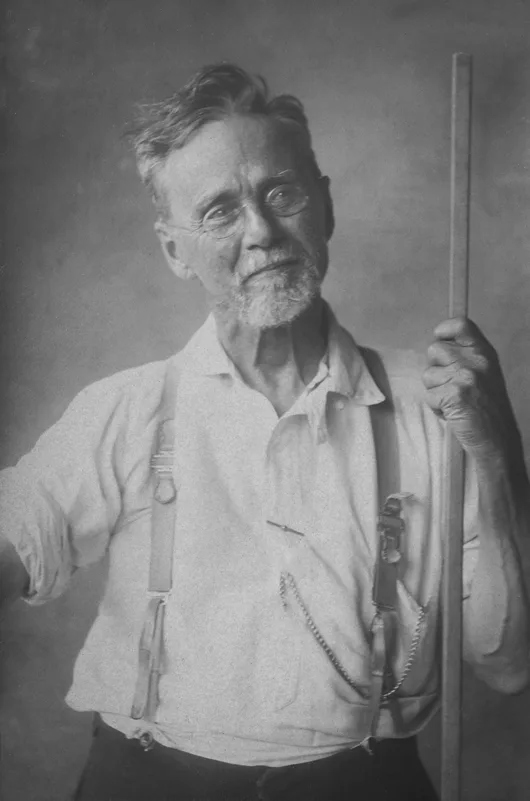
"To find health should be the object of the doctor.
Anyone can find disease."
Founder of Osteopathy
People come to me for a variety of reasons. Cranial osteopathy can't solve everything — but rebuilding your relationship with your body can make a profound difference to how you feel.
How do I know if cranial osteopathy is right for me?
The things we hold onto often make life more difficult than it needs to be. Here are some of the common reasons people seek my help:
Something doesn't feel quite right
The tension is rising
When the quick fix fails
Find the way home
I found Ben's treatment amazingly relaxing and I feel he has also improved my wellbeing overall.
What do cranial osteopaths do?
This is how I work:
Listening to your story
I will make time to listen to your story so I can fully appreciate what you've been through and what led you to seek my help.
Observing your posture and movement
I'll pay careful attention to how you hold yourself. I'll observe your posture and gently assess how freely your body moves. This can give me important clues about what you're holding and how it might be contributing to the way you feel.
Identifying the cause
I will use my hands to gently listen to your body, so I can evaluate where you're holding tension, what impact it's having, and what kind of support it needs to let go. I may also carry out standard clinical tests, like checking your reflexes or listening to your chest.
Helping you make sense of what's happening
There are many reasons why we struggle. I'll use my clinical knowledge and experience to help you understand what's going on in your body and figure out what kind of support you need.
Finding ease
The aim of treatment is to help you access a deeper state of rest. I'll gently support your body so the parts that are tense can begin to let go.
Beyond the clinic
Alongside the treatment, I provide individually tailored advice on anything you can do to support what we've started. If there's something that requires further investigation or another kind of treatment, I may recommend that you see another health professional or discuss it with your GP.
Ben is a terrific osteopath, who has genuine concern for his patients and their wellbeing. He has extensive knowledge and a very calm and reassuring manner and is my “go-to” for a treatment when I feel my own wellbeing needs a boost.
How does cranial osteopathy work?
Much of the tension we experience in everyday life comes from the adaptations our bodies have made to things that have happened to us in the past. For example, accidents, illnesses and injuries often leave us with unresolved stresses and strains. This is a normal part of life — and our bodies have an incredible capacity to compensate — but, as the tension mounts up, it can start to impact on our quality of life. The cranial approach reframes the way we think about what this means:
Pain is not the enemy
Every tension or strain is a call for attention. Every symptom or struggle is a message from the depths. The more we fight it, the more we suffer — and the longer we ignore it, the louder it must shout.
The body never forgets
We have forgotten how to listen. So we push on through. But the quick fix rarely lasts — because the body never forgets. Until its message has been heard, it cannot find its way home.
The path home
We need help to remember that the moment has passed – to listen to the body so we can let go and be whole. Take a moment to breathe and listen to your body. How does it respond when you truly hear its call?
An invitation
Whether you are struggling to find ease, or simply searching for a deeper connection, I offer a safe space to rebuild your relationship with your body. I will help you find your way back to that state of deep rest where the tension and the tumult can start to drop away, so you can make peace with your body and find your way home.
It’s weird not to feel the manipulation as it happens. But it’s wonderful to realise the problems go away little by little.
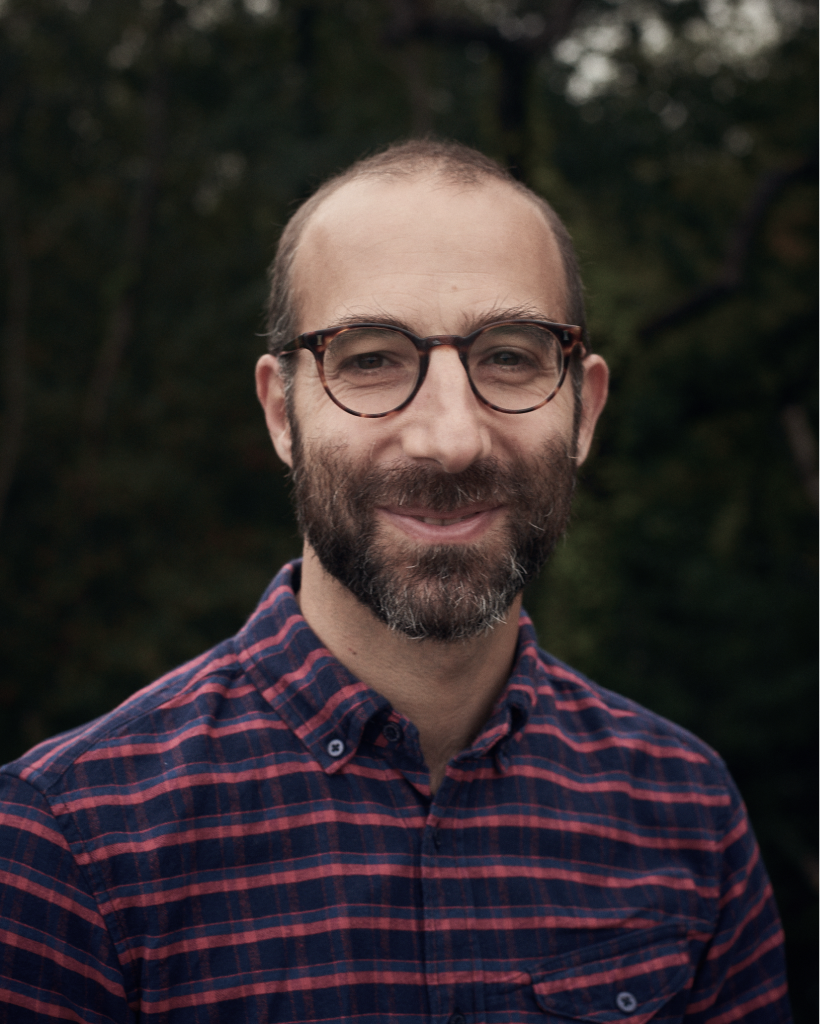
I believe that osteopathy can make a meaningful difference to people of all ages, whatever challenges they face with their health.
Frequently asked questions
What is cranial osteopathy?
What does a cranial osteopath do?
What can cranial osteopathy help with?
How is cranial osteopathy different from craniosacral therapy?
What does a cranial osteopathy session feel like?
Is cranial osteopathy safe?
Other ways I can help
-
Children's osteopathy
As your baby grows, osteopathy adapts with them. Find out about specialist care for children.
Children's osteopathy -
Pregnancy & postpartum
I also work with pregnant women and new mothers. Find out how osteopathy can support you through pregnancy and recovery.
Pregnancy osteopathy