Cranial osteopathy for babies Hackney, East London.
Helpyourbaby
findease
Your baby can't tell you what they're going through — but I've learned to listen with my hands.
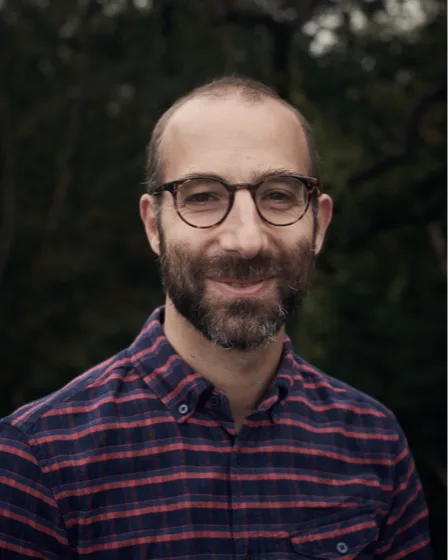
I'm an experienced cranial osteopath with an MSc in Paediatric Osteopathy and over twenty years of clinical experience with babies. I've been working with newborns and infants in London since 2004.
- 20+ years in practice
- MSc in Paediatric Osteopathy
- NHS NICU experience
- OCC Paediatric educator
What does cranial osteopathy for infants involve?
Cranial osteopathy is one of the gentlest forms of manual therapy available, making it safe for babies from birth. Here's what I offer:
-
Expert insight
I will help you make sense of your baby's symptoms and dig deeper to find the root of the problem. -
Personalised care
I will listen to your story to understand what your baby has been through and work with you to figure out what they need. -
The human touch
I will gently support your baby and help them to remember what it feels like to relax.
Ben is an exceptionally skilful and caring osteopath and I highly recommend him.
What can a baby osteopath help with?
Osteopathy is a holistic, person-centred approach that focuses on promoting health rather than treating named conditions.
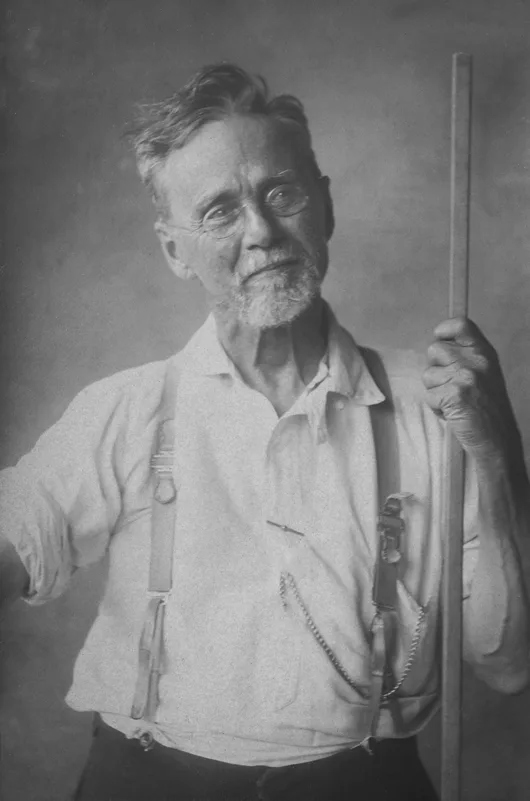
"To find health should be the object of the doctor.
Anyone can find disease."
Founder of Osteopathy
Many of the concerns parents come with are a normal part of adjusting to life outside the womb but the tension babies carry can sometimes make this more difficult than is necessary. Most of the babies I see are uncomfortable in some way. Osteopathy won't solve all of their problems — but helping them to relax can often make a profound difference to their wellbeing.
How do I know if my baby will benefit from seeing an osteopath?
For many of the issues babies struggle with, the associated tension can sometimes cause additional discomfort that makes the problem more difficult to bear. Here are some of the things you can look out for:
Muscular tension
Restricted movement
Postural issues
How an osteopath can help
Following the birth of my son, Ben has treated him a few times. I've been very impressed with his knowledge and professionalism and would highly recommend him.
What do osteopaths do for babies?
The foundation is compassion
It's a great privilege to work with babies. Their vulnerability and helplessness demand a level of care that brings out in us the kindness and compassion on which they depend. This is always the foundation from which I work.
Listening to your story
If you bring your baby to see me, I will make time for you to tell your story so I can fully appreciate what your baby has been through and what led you to seek my help.
Observing your baby's movement and posture
I'll pay careful attention to how your baby holds themselves. I'll assess their posture in different positions and gently check how freely their body moves. This can give me important clues about how they feel and any tension they might be holding.
Identifying the cause of your baby's discomfort
I will use my hands to gently assess where your baby is holding tension, what impact it's having and what kind of support it needs to resolve. If indicated, I may also use standard clinical tests like listening to their chest, or looking in their ears.
Helping you to make sense of your baby's challenges
There are many reasons why an infant may be uncomfortable. I'll use my clinical knowledge and experience to help you understand what your baby is going through and figure out what kind of support they need.
Helping your baby to let go
The aim of treatment is help your baby to be more comfortable. I'll gently support their body so the parts that are tense can begin to let go and they can remember what it feels like to relax.
Empowering you to take an active role in your baby's health
Alongside the treatment, I will provide individually tailored advice on exercises or strategies you can use at home. If there's something that requires further investigation or another kind of treatment, I may recommend that you see another health professional or discuss it with your GP.
A gentle approach
The techniques I use involve less force than you would normally use when getting your baby dressed or giving them a bath. Parents are often surprised how much of a difference this can make.
My children come out of the sessions much more comfortable, calm and relaxed.
What is cranial osteopathy?
Cranial osteopathy is a non-invasive form of assessment and treatment that uses therapeutic touch to help babies to be more comfortable — without the need for strong manipulation. It is a safe, evidence-informed practice that is particularly suitable for newborns and infants because it is such a gentle approach. Despite the name, the principles and techniques can be applied to the whole body.
What does cranial osteopathy involve?
Cranial treatment is very gentle and most babies seem to find it relaxing. Cranial osteopaths gently hold different parts of the body to identify tension and help it to release. The details of what that involves can be as complex as the human body, but the underlying principle is incredibly simple.
How does cranial treatment work?
Cranial techniques aim to harness the body's natural tendency to relax when held in a supportive way. This is a lot like what you already do when you try to comfort your baby. The main difference is that my professional knowledge and experience allow me to do this in a more targeted way.
Is cranial osteopathy effective for babies?
Many parents report positive experiences with cranial osteopathy and I frequently receive referrals from midwives and feeding specialists who have noted neck tension or restricted movement. A large randomised controlled trial of osteopathic treatment on preterm babies found that it significantly reduced their length of stay in hospital, suggesting a positive impact on general wellbeing. However, the evidence base remains limited overall, partly due to the fact that it is not possible to fully blind participants to whether they are receiving the treatment, which is a common challenge for manual therapy research.
Ben uses very gentle touch. My son seems to enjoy the sessions as he is always very relaxed afterwards.
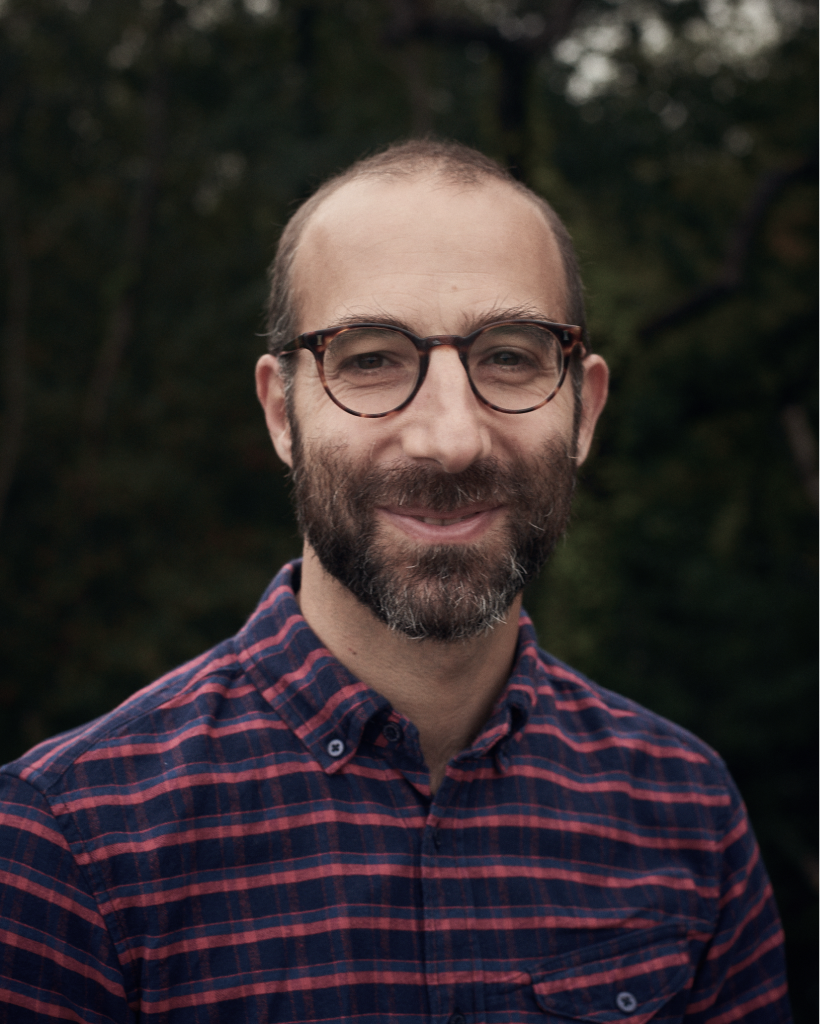
It always amazes me how ready babies are to change.
Frequently asked questions
Is cranial osteopathy safe for babies and newborns?
What does a baby osteopath actually do in a session?
How does a paediatric osteopath know what's wrong if a baby can't speak?
What kind of things might cranial osteopathy help with for my baby?
Does cranial osteopathy work for babies?
What's the difference between cranial osteopathy and craniosacral therapy?
How young can a baby be for their first appointment?
How can I find a qualified paediatric osteopath near me?
Other ways I can help
-
Children's osteopathy
As your baby grows, osteopathy adapts with them. Find out about specialist care for children.
Children's osteopathy -
Pregnancy & postpartum
I also work with pregnant women and new mothers. Find out how osteopathy can support you through pregnancy and recovery.
Pregnancy osteopathy